How to Choose the Best PE Tarpaulin in 2026?
Choosing the best Pe Tarpaulin in 2026 requires more than comparing prices or reading “heavy duty” on a label. The right sheet must match its working environment, expected service life, and handling conditions. A garden cover may need light UV protection, while a truck load needs stronger fabric, reinforced edges, and reliable grommets.
Industry data supports careful selection. Grand View Research’s Tarpaulin Sheets Market report identifies construction, agriculture, transport, and storage as major demand sectors. Its analysis also points to continued market growth through 2030. Smithers’ technical-textiles research highlights the importance of coating quality, tensile strength, weather resistance, and product consistency. These reports are useful, but their market definitions differ. Numbers should be checked, not blindly repeated.
A practical inspection starts with the weave. Hold the sheet against daylight and look for uneven gaps. Then examine the corners, stitching, eyelet spacing, and coating surface. A thicker tarp is not always better. Excess weight can make installation awkward, especially on a windy roof. Materials consultant Robert M. Koerner’s guidance is relevant here: “Durability is a system property, not a single-number promise.” In other words, fabric, coating, seams, and fittings must work together. That detail is often missed.
Rain exposes weak coatings quickly. Sunlight reveals poor UV stabilization later. I have seen tarps fail at the eyelets before the fabric showed damage. That is why this guide compares measurable specifications, supplier evidence, and real-use conditions. Small compromises remain possible. They should be visible before purchase.
What Is PE Tarpaulin and How Is It Used?
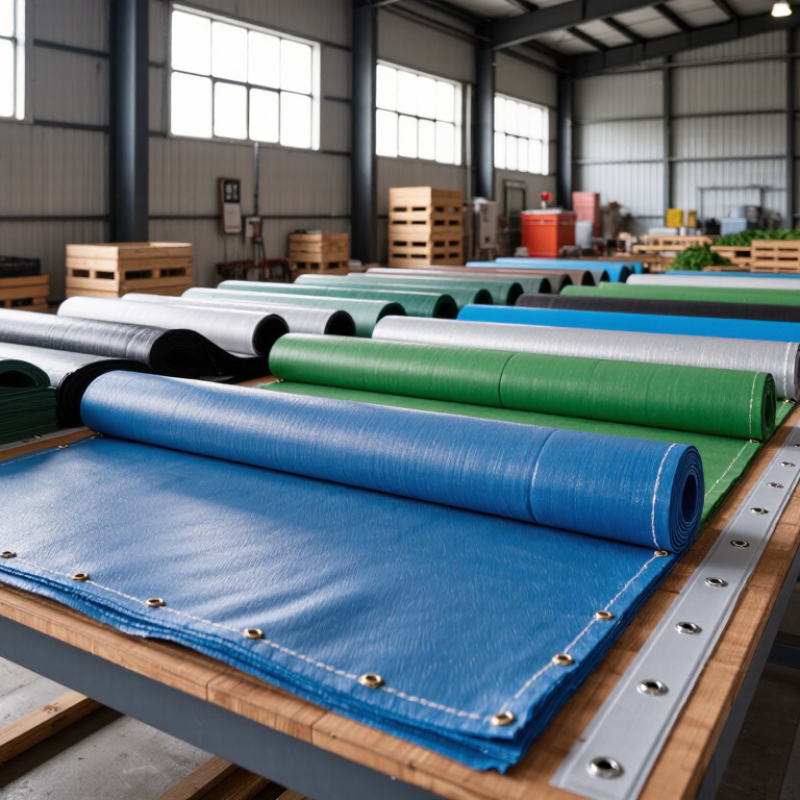
PE tarpaulin is a flexible sheet made from polyethylene, usually woven and laminated. This structure gives it strength, water resistance, and relatively low weight. You see it covering hay bales, building materials, market stalls, trucks, boats, and outdoor furniture. It also works as a temporary groundsheet or rain shelter during camping. The material is practical, not magical. Seams, eyelets, and exposed edges can still fail in strong wind.
When choosing one in 2026, match the fabric to the job rather than chasing the highest thickness. Check GSM, weave density, coating quality, UV treatment, and eyelet spacing. A light sheet suits short indoor protection. A heavier, UV-stabilized sheet better fits repeated outdoor exposure. For agriculture, ask whether it tolerates moisture, temperature changes, and regular handling. For construction, inspect tear resistance and reinforced corners. Request a clear datasheet. Vague specifications deserve caution.
In practical use, tension matters as much as fabric weight. I once treated a heavy tarp as automatically stronger; poor tying stretched its eyelets within days. Use rounded supports, spread the load, and leave room for drainage. Clean mud and dry the sheet before storage. PE tarpaulin is water-resistant, but some products are not fully waterproof after abrasion or prolonged sunlight. Flame performance also varies, so check the stated rating before placing it near heat. Store it loosely, never while damp.
Which PE Tarpaulin Materials and Weights Suit Your Needs?
Choosing the best PE tarpaulin in 2026 starts with the material, not the color. For outdoor covers, woven HDPE fabric with a waterproof LDPE coating offers a practical balance. HDPE provides tensile strength, while LDPE helps seal the weave against rain. A virgin-polyethylene layer usually gives better consistency and flexibility. Recycled content can reduce resource use, but quality varies between suppliers. Ask for test data, not just a “heavy duty” label. Check UV resistance, tear strength, seam construction, and grommet spacing.
Weight is normally listed as GSM, or grams per square meter. Light tarpaulins around 60–90 GSM suit temporary shade, camping, and indoor dust protection. They fold easily, but wind can damage them quickly. Medium grades near 100–180 GSM fit firewood, machinery, market stalls, and seasonal storage. For exposed construction areas or repeated transport, 200 GSM and above feels safer. Thicker is not always better. Not always. A dense, well-laminated 150 GSM sheet may outperform a poorly made 220 GSM sheet.
I measure the load before ordering, including sharp corners and pooled water. A loose cover can flap like a sail and destroy its eyelets. Use reinforced hems and corrosion-resistant grommets when tying the sheet for weeks. For long sunlight exposure, select documented UV stabilization rather than guessing from thickness. I once chose a thick cover without checking flexibility; it cracked after cold nights. That mistake still influences my checklist. Temperature, handling frequency, and repairability deserve equal attention.
How to Compare Waterproofing, UV Resistance, and Durability
Choosing the best PE tarpaulin in 2026 requires more than checking its advertised thickness. Waterproofing, UV resistance, and durability must be compared through test methods and real use conditions. ISO 811 measures hydrostatic pressure, showing how much water pressure fabric can withstand before leakage. A higher result usually supports better performance, but seams and eyelets can still fail first.
UV resistance needs careful interpretation. ASTM G154 weathering reports commonly use 500 or 1,000-hour exposure cycles. These hours are laboratory measurements, not direct predictions of outdoor service life. Look for retained tensile strength, color stability, and cracking after exposure. A cover left on a sunny truck roof faces heat, wind, and trapped moisture together. That combination can age polyethylene faster than a clean laboratory test suggests.
Durability depends on fabric weight, woven tape strength, lamination quality, and edge reinforcement. ASTM D751 testing can assess tensile strength, tear resistance, and coating behavior. In practical inspections, I check whether the surface becomes brittle after folding, especially around reinforced corners. I also compare gsm with intended use; heavier is not always better. A very thick sheet may resist impact, yet remain awkward and poorly tensioned. That matters. One purchasing mistake is trusting a single number. Test reports should identify the sample, conditioning method, exposure cycle, and failure point, otherwise comparisons remain incomplete.
How to Choose the Right Size, Thickness, and Reinforcement
How to Choose the Best PE Tarpaulin in 2026?
Choosing the right PE tarpaulin starts with its working conditions. Measure the covered area, then add extra material for overlap and tie-down points. A 10-by-12-foot sheet may not cover a 10-by-12-foot load securely. Wind needs room for fastening. Consider the object’s shape, too. A rounded stack often requires more fabric than a flat surface.
Thickness affects durability, weight, and handling. Light tarpaulins suit temporary shade or indoor dust protection. Medium-weight sheets work better for firewood, machinery, and seasonal outdoor storage. Heavy-duty material is more suitable for repeated exposure to rain, sunlight, and abrasion. However, thicker is not always better. A very heavy sheet can strain grommets and become difficult to fold. Reinforcement matters just as much. Look for strong hems, closely spaced grommets, and reinforced corners. I once focused only on thickness and overlooked weak edge stitching. That mistake shortened the cover’s useful life.
Tips: Check the tarp’s actual dimensions, not only its advertised size. Inspect seams before installation. Use ropes or straps that spread tension evenly. Avoid pulling one grommet too tightly. Leave slight slack during cold weather, because some materials become less flexible. A small repair kit is practical. Recheck the cover after the first storm. Conditions often reveal weaknesses that specifications cannot.