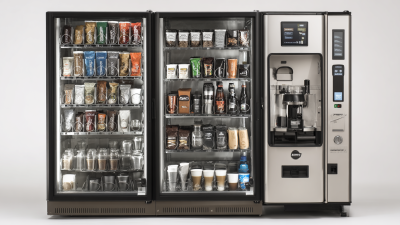
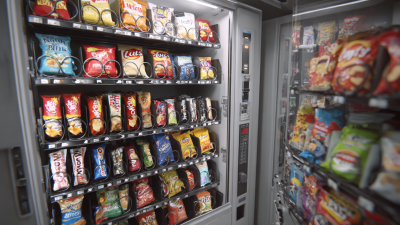
What Are Food Vending Machines and How Do They Work?
Food vending machines are automated retail units that sell prepared meals, snacks, and drinks without a traditional cashier. They appear in office buildings, hospitals, schools, train stations, and university campuses. A customer selects an item on a touchscreen, completes payment, and receives the product through a secure collection slot. The process usually takes less than a minute.
Inside, shelves, spirals, lockers, or refrigerated compartments hold individual products. Sensors track each selection and report inventory levels to the operator. Many modern machines accept cards, mobile wallets, and contactless payments. Some also use cameras, temperature monitors, or remote management software. These tools help staff identify empty shelves, payment errors, and temperature changes.
Food safety is central to the system. Refrigerated food must remain within a suitable temperature range, while operators need clear expiry-date checks and regular cleaning routines. A machine may display ingredients, allergens, nutrition details, and storage information. Still, technology cannot replace careful human supervision. A sensor can fail. A door may not seal properly. That reality deserves attention.
This guide explains how food vending machines operate, from product loading to payment processing and collection. It also considers their benefits, limitations, maintenance needs, and customer experience. The most convenient machine is not always the best one. Reliability depends on responsible stocking, accurate software, and disciplined daily checks.
What Food Vending Machines Are and What They Offer
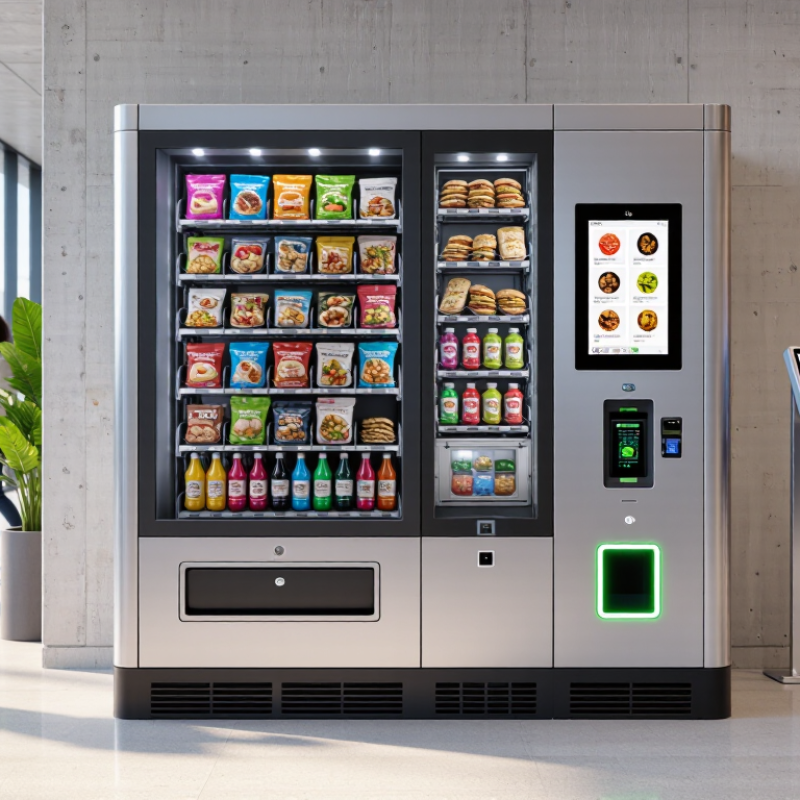
Food vending machines are automated retail units that store and sell ready-to-eat meals, snacks, and drinks. Unlike traditional snack machines, many models include refrigeration, heating, or both. Customers select an item on a touchscreen, complete payment, and collect it from a secure delivery compartment.
These machines can offer sandwiches, salads, fruit cups, hot meals, yogurt, bottled drinks, and packaged desserts. Some provide clear ingredient lists, allergen information, nutrition facts, and preparation dates. This helps customers make informed choices during busy workdays, late shifts, or travel. In practice, temperature control is essential. Operators should monitor storage conditions, refill products carefully, and record cleaning and maintenance checks. A warm meal is useful only when the machine has protected it safely.
The technology is convenient, but it is not perfect. Product variety may be limited, and fresh items can lose quality if sales are slow. That trade-off matters. A reliable machine needs accurate inventory tracking, regular sanitation, and quick removal of expired food. From a customer’s view, the best experience is simple: visible prices, responsive payment, clean compartments, and food that looks as good as its label suggests. Small failures can reduce trust quickly. A blocked pickup door or unclear expiry date may seem minor, yet both deserve attention.
The Main Components Inside a Food Vending Machine
A food vending machine is a compact retail system that stores, protects, and dispenses prepared food. Its main structure is a strong, insulated cabinet with separate storage areas. Shelves, trays, or rotating spirals hold products in fixed positions. A transparent front helps customers check labels, portions, and package condition before buying.
Inside, a control board connects the machine’s major components. Temperature sensors monitor chilled sections, while a cooling unit removes heat from the cabinet. A small display and payment module receive the customer’s selection and payment. The delivery mechanism then moves the chosen item toward the collection hatch. Motors, belts, coils, or elevators may perform this task. Each design has different maintenance needs.
Food safety depends on more than cooling. Operators should record temperatures, inspect seals, clean contact surfaces, and remove damaged packages. An internal camera or stock sensor can help identify empty positions, but sensors sometimes misread products. That weakness matters. A trained technician should test motors, wiring, alarms, and temperature controls during regular service. In practical use, a machine may look simple outside while managing many small decisions inside. Poor loading can block the delivery path. A nearly closed door can also waste energy and weaken cooling. Reliable operation comes from careful design, accurate records, and consistent human checks.
How Food Vending Machines Process Orders Step by Step
What Are Food Vending Machines and How Do They Work?
Food vending machines are automated cabinets that store, chill, heat, and release prepared meals or snacks. They use product sensors, temperature controls, payment systems, and a small computer. The machine follows programmed safety and inventory rules.
The order process begins when a customer selects an item on the screen. The display shows the product name, price, ingredients, and possible allergens. After payment approval, the system checks whether the chosen item is available. It may also verify temperature data before continuing. A motor, spiral coil, or robotic mechanism then moves the item toward the collection area. Sensors confirm that the product has left its storage position. If the item jams, the machine can stop the transaction or offer another choice.
Some machines heat food after payment. A controlled heating unit follows a preset time and temperature. Others dispense chilled food immediately. The final screen confirms the purchase, while the internal system updates stock records. Staff must still refill products, clean surfaces, inspect seals, and review temperature logs. Automation reduces waiting, but it does not remove human responsibility.
The process is not flawless. A sensor can misread an item. A payment may succeed while delivery fails. Clear instructions and responsive support matter. Customers should check packaging, date labels, and food condition before eating.
Food Storage, Safety Controls, Maintenance, and Common Uses
What Are Food Vending Machines and How Do They Work?
Food Storage, Safety Controls, Maintenance, and Common Uses
Food vending machines are compact, automated cabinets that store and dispense packaged meals, snacks, or drinks. A touchscreen records the selection, while a motor, spiral coil, or lift moves the item to the collection area. Some units use refrigerated compartments for sandwiches and salads. Others hold shelf-stable products at room temperature. Storage design matters. Items need clear labels, sealed packaging, and careful rotation by use-by dates. A visible temperature display helps staff notice changes before food quality declines.
Safety controls should include restricted access, door alarms, temperature sensors, and automatic shutdowns when cooling fails. Operators should check temperatures against the food type and local food safety requirements. They also need to inspect seals, drainage points, dispensing surfaces, and payment areas. A clean screen does not prove a clean machine. Small spills can collect beneath trays. That detail is easy to miss. Staff should record checks, remove damaged packages, and isolate questionable stock instead of guessing. Hand hygiene and safe restocking matter too, especially when employees handle chilled meals.
Maintenance combines scheduled service with simple daily observation. Technicians may test refrigeration, electrical connections, sensors, software, and emergency release mechanisms. Staff can wipe contact surfaces, clear product jams, and confirm that every compartment closes fully. In busy locations, machines serve offices, hospitals, schools, transport areas, and apartment buildings. They offer access during breaks or outside cafeteria hours. Still, convenience can create false confidence. A machine may continue accepting orders after a cooling problem. Regular logs, quick escalation, and honest inspection reduce that risk, though no system replaces informed human judgment.
What Are Food Vending Machines and How Do They Work?
Food storage, safety controls, maintenance, and common operating benchmarks
Food vending machines combine product storage, temperature monitoring, access controls, payment systems, and scheduled maintenance. Refrigerated products should be held at or below 41°F (5°C), hot-held products at or above 135°F (57°C), and frozen products at approximately 0°F (-18°C). Sensors can trigger alarms when temperatures move outside safe limits, while regular cleaning, stock rotation, inspection, and equipment servicing help maintain food quality and machine reliability.
Safety benchmarks are based on FDA Food Code temperature guidance and USDA FSIS freezer-storage guidance. Actual requirements may vary by local regulation and product type.