What Are the Top Vending Machines to Buy in 2026?

Choosing the right vending machines in 2026 requires more than comparing screens, prices, and product capacity. A reliable purchase should match the location, customer habits, and expected maintenance workload. A refrigerated machine may suit a gym offering chilled water, protein snacks, and fresh meals. A compact spiral machine may perform better in a busy office with limited floor space. Small details matter, including lighting, temperature control, payment options, product visibility, and the strength of the delivery mechanism.

This guide examines the top vending machines to buy in 2026 through practical and professional criteria. It considers energy use, remote monitoring, cashless payments, warranty coverage, cleaning access, accessibility, and replacement-part availability. It also explains how to compare new and refurbished models without relying on attractive marketing alone. Look closely. A low purchase price can hide expensive repairs, weak refrigeration, or outdated payment hardware. Sales data from similar locations can provide useful evidence, while manufacturer specifications and service records improve decision quality. Local permits, electrical standards, food-safety requirements, and consumer-protection rules must also be confirmed before installation.

No machine is perfect. Even advanced models can experience payment failures, product jams, or connectivity problems. That reality should shape the buying decision. The strongest choice is usually the machine that delivers dependable service, manageable operating costs, and a safe customer experience over time. This overview aims to make that decision clearer, while recognizing that location-specific testing remains essential.
What Are the Top Vending Machines to Buy in 2026?

Vending Machine Types to Consider in 2026

What Are the Top Vending Machines to Buy in 2026?

Vending Machine Types to Consider in 2026

In 2026, the best vending machine will match its location, not merely a product trend. Grand View Research estimates the global vending machine market could reach about $33.7 billion by 2030. Its forecast points to strong demand for connected equipment and cashless payments. That growth favors machines with remote inventory alerts, digital receipts, and flexible product layouts.

Refrigerated combo machines suit offices, gyms, hospitals, and residential buildings. They can sell bottled drinks, fresh meals, fruit, and packaged snacks in one footprint. Allied Market Research valued the global vending machine market at approximately $18.9 billion in 2022. It projects the market to reach about $37.2 billion by 2032. That sounds promising. Still, fresh products create waste when foot traffic changes unexpectedly. Operators need temperature records and realistic replenishment schedules.

Hot beverage machines remain practical in workplaces and transport areas. They offer coffee, tea, and heated drinks with limited floor space. For campuses and busy facilities, larger food machines may provide better variety. Smart lockers and micro-market equipment can also support wider selections, but they require stronger security and regular cleaning. Small failures become expensive. Before buying, test payment speed, screen visibility, refill access, and service response times. A perfect forecast is impossible. A small pilot often reveals more than a glossy specification sheet.

Key Features That Define a High-Quality Vending Machine

What Are the Top Vending Machines to Buy in 2026?

A high-quality vending machine should make every transaction feel simple, quick, and dependable. During a routine site check, I look for a bright screen, clear product labels, and buttons that respond without pressure. A clean, accessible interface matters for older customers and people with limited mobility. It should also support secure cashless payments and provide an easy receipt option.

Temperature control is essential for machines selling chilled products. Interior sensors should maintain stable conditions, even when the door opens repeatedly on a busy afternoon. Strong insulation can reduce energy use, while LED lighting improves visibility without creating excessive heat. Product spirals must move smoothly and stop items from becoming trapped. Small details matter.

Maintenance features often separate an average machine from a dependable one. Remote monitoring can show low inventory, payment errors, temperature changes, and power interruptions. That saves unnecessary service visits. However, technology is not a substitute for inspection. Sensors can fail. Dust can block vents. Operators still need a cleaning schedule and clear repair records.

Security deserves practical attention. A reinforced cabinet, protected wiring, and stable anchoring can reduce damage and tampering. Yet excessive protection may make servicing slower. That trade-off deserves honest evaluation. Before buying, measure the installation space, check electrical requirements, and estimate daily demand. A machine that looks impressive may still perform poorly in a quiet location. Reliability comes from matching features to real use.

Best Vending Machines for Different Products and Locations

What Are the Top Vending Machines to Buy in 2026?
Best Vending Machines for Different Products and Locations

Choosing the best vending machine starts with the product and location. For offices, apartment lobbies, and schools, snack-and-drink machines offer broad daily demand. Look for adjustable spirals, bright product displays, and reliable temperature control. Cold beverages should remain safely chilled, while snacks need dry, clean compartments. Keep it simple.

Fresh-food machines suit hospitals, universities, and busy workplaces with limited meal options. They need refrigeration, clear expiry-date displays, and easy-to-clean internal surfaces. A compact coffee machine may work better in a quiet office than a large combination unit. Product turnover matters more than impressive capacity.

Outdoor locations require stronger construction, weather protection, secure payment systems, and vandal-resistant screens. A machine near a transit stop may favor bottled drinks and quick snacks, while one near a gym could offer water, protein foods, and healthier choices. Check power access, lighting, accessibility, and local food-safety requirements before installation. It is easy to overestimate foot traffic. A busy entrance does not always produce steady purchases. Review sales by hour, refill frequency, temperature logs, and maintenance costs before expanding. The cheapest machine can become expensive when parts are difficult to replace or service visits are frequent.

Costs, Revenue Potential, and Ownership Requirements

What Are the Top Vending Machines to Buy in 2026?

Costs, Revenue Potential, and Ownership Requirements

The strongest 2026 choices are refrigerated snack machines, drink machines, and compact fresh-food units. Each serves a different location and budget. A standard machine commonly costs $3,000 to $10,000, while refrigerated models can exceed $12,000. Installation, delivery, payment hardware, insurance, and initial inventory add several thousand dollars. Grand View Research reported that the global vending machine market reached about $18.95 billion in 2022. It also projected a 10.7% compound annual growth rate through 2030.

Revenue depends more on foot traffic than machine design. A busy workplace, hospital, or transport site may produce $100 to $500 weekly in gross sales. That figure is not profit. Product costs, location commissions, repairs, electricity, payment fees, and spoilage reduce the margin. NAMA’s 2023 industry census estimated U.S. vending sales at approximately $26.7 billion in 2022. The figure shows market scale, but it does not guarantee performance for one machine.

Expect regular ownership work. Operators must restock, clean contact surfaces, check expiration dates, reconcile cashless payments, and respond to service calls. Local permits, tax registration, accessibility rules, and electrical requirements also need verification. Fresh-food machines demand stricter temperature monitoring and faster replenishment. Some weeks disappoint. A machine can look profitable on paper and still fail beside a poorly chosen entrance. I would test one location for 60 to 90 days before expanding, while tracking sales by product, hour, and day. Reports provide useful benchmarks, but local evidence should decide the next purchase.

How to Choose the Right Vending Machine for Your Business

What Are the Top Vending Machines to Buy in 2026?

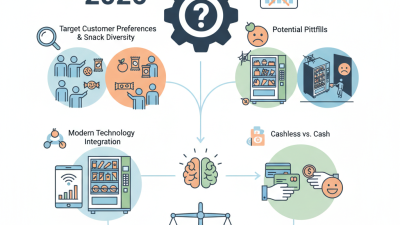
Choosing the right vending machine starts with the location, not the screen. Start with traffic. A compact snack-and-drink machine suits offices, schools, and transport areas with steady daily demand. Refrigerated fresh-food machines fit gyms and hospitals, but they require stricter temperature control and faster stock rotation. Combination machines save floor space, although their mixed compartments can reduce capacity for best-selling items. Grand View Research estimates that the global vending machine market reached about $21.84 billion in 2023 and may grow at a 10.7% CAGR through 2030. That growth suggests opportunity, not guaranteed profit.

Check the total cost before comparing purchase prices. Include electricity, payment processing, delivery, repairs, cleaning, and product waste. Cashless payment and remote inventory alerts can reduce missed sales, especially when staff cannot inspect the machine daily.

Fortune Business Insights projects the global market to grow from roughly $21.48 billion in 2023 to $37.4 billion by 2032. Still, market growth can hide weak locations. Measure foot traffic for several days, test a small product range, and review sales by hour. A machine with bright lighting may look modern but perform poorly beside a crowded entrance. I would also question complicated features that customers rarely use. Reliable cooling, clear pricing, accessible controls, and local service support often matter more. Review local electrical, accessibility, food-handling, and payment requirements before installation. A perfect machine does not exist.